All Categories
Featured

Leading AI Content Tools for Growth in 2026
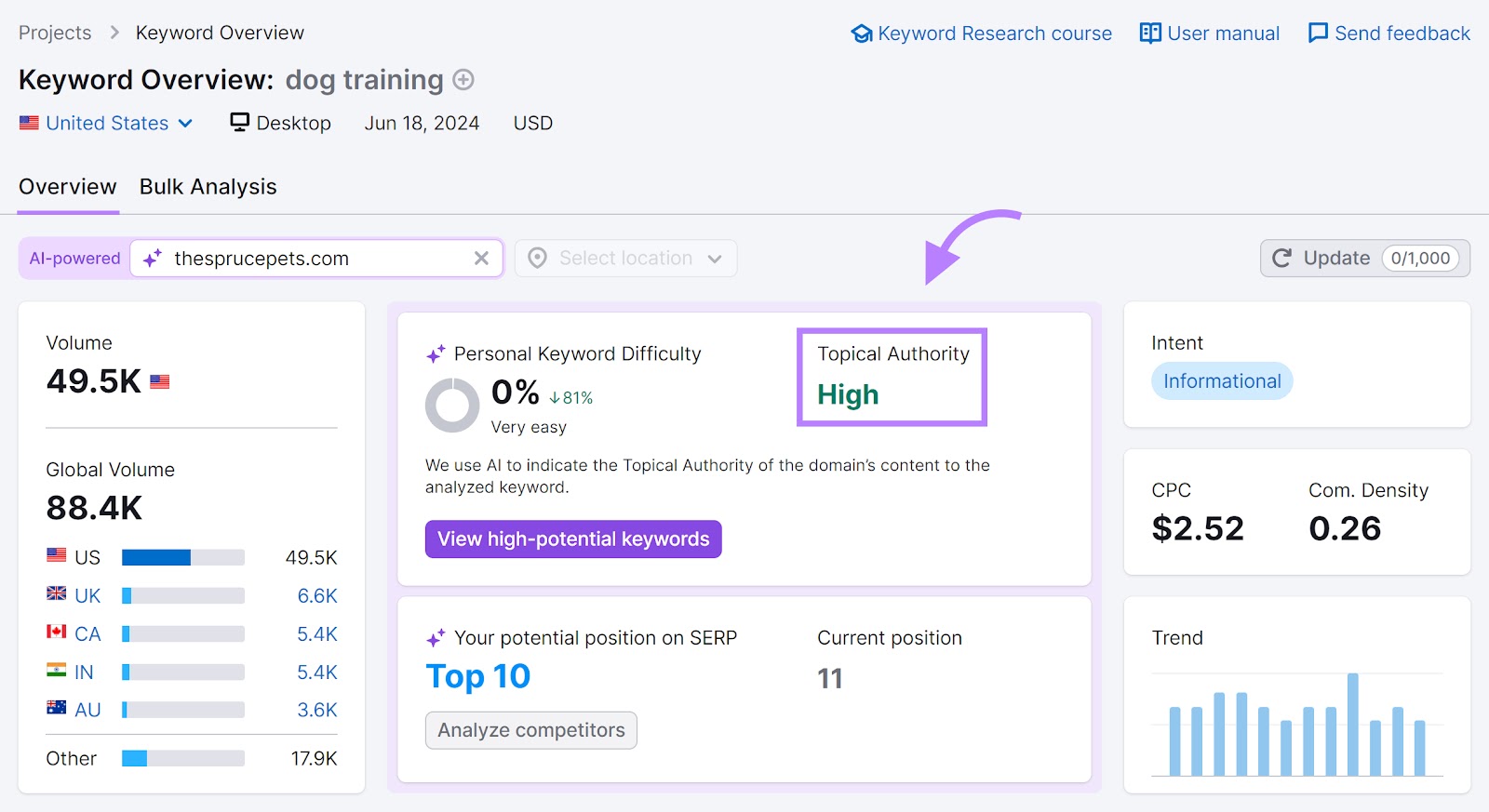
Because it lets you offer something your competitors can't match. Like this case research study: It helps a broad audience of digital marketing companies by providing insight into the tools and tactics they can use to increase mobile natural traffic. And nobody else can inform this story. Contrary takes on your industry's hot topics Interviews with topic professionals Often asked concerns (Frequently asked questions)that others stop working to answer Initial researchTo ensure your material resonates with potential clients, research the questions they may be asking.AlsoAsked is an easy tool for getting fast ideas. Go into a term or concern, pick your area, and struck"."You'll see a tree diagram including concerns that Google users who searched your subject likewise asked: Click any of these to explore additional follow-up questions and use the most relevant ones to influence your content.: Here are some tools that can assist you assess your site's credibility and knowledge in a subject area: Semrush's Topical Authority metric can assist you determine how reliability your site has for particular search terms. Here's how: Think about a keyword that you desire your site to rank for and type it into the text bar. Next, include your domain in the "AI-powered feature "bar, select your target location, and click"." There will be a rating of"Low,"" Moderate, ""Pertinent, "or" High"under the "Topical Authority"label. Getting backlinks shows rely on your website is growing. Track yours utilizing Semrush Backlinks tool. Type your site's URL into the Backlinks tool. Hit"."Near the top of the page, you'll see"Referring Domains"( the variety of domains that point back to your site)and"Backlinks" (the total variety of backlinks pointing to your website ). You'll see in red or green whether each figure has increased or decreased. Inspect the report's Authority Rating for a basic measure of your website's quality, which is partially based on a range of backlink-related elements.
[target1:anchor_exact1]: The distribution of your referring domains by Authority Scores. Consist of the search engine, gadget, place, and language that you want to track positions for. They should include the search terms that you desire to develop topical authority around.
To see whether you're developing topical authority. Compare your ranking positions before and after the material was published.
Leveraging AI Writing for Business Visibility
If you see positive boosts in ranking positions, you're likely structure topical authority in those subject areas. Visit to Google Analytics( GA4 )to see whether gos to are up or downFrom the control panel, click ""in the leading left corner. Go to "" >""> "."There, you'll see a breakdown of your traffic by channel. Look at the" Organic Search "row and compare the data to what you saw from the previous period. Focus on building topical authority with your content to build unstoppable.
[target2:anchor_exact1]momentum. And use Semrush's AI-powered keyword tools to get a better understanding of your site's topical authority for your target search terms. You can go after the ideal terms to improve your reliability. Examine out the tools noted in this article with a totally free trial. If you have actually been in SEO enough time, you understand that Google has actually been attempting to figure out genuine know-how behind web documents for several years. From the failed "Authorship"job to its E-E-A-T standards, we have great deals of evidence of that fight. This is where the term" "stems from, and here's what you need to know about it: As the term suggests, topical authority represents the go-to resource for or a widely known professional on (or both)a specific topic . I tend to think it's both since one can reinforce the other. Google works by identifying and classifying entities, so if your (individual) brand name is classified in a pertinent category, you're one action more detailed to ending up being a topical authority. To prove this point, this is the requirements uses to identify and analyze topical authority for each story:" How notable a source is for a topic or place "(This is the entity category)."... a source's history of premium reporting, or recommendations from skilled sources, such as expert societies [and] journalistic awards"(These are references from other connections from other entities Google understands about).
There are also excellent factors that Google looks at the content and authorship when recognizing topical authority: Topical authority is not a brand-new principle. It's comprised of one or more authority signature entries. The patent notes that the objective is "to identify users with proficiency in specific subjects." The patent also explores the possibility of how a series of documents can add to the" Authority Signature Worth"of their author. The authority signature worth builds up the author's weighted authorship on a topic across several documents they have actually authored. It's still exposing to know that Google has been giving this "authorship "information rather some thought for a very long time. Searching Google will assist you comprehend topical authority even better. From Knowledge Panels to additional areas like"Articles"and "About, "you'll have a better idea of topical authority with the results standing for top quality searches: Google's brand-driven image search is also practical in comprehending how Google categorizes any brand: Now, let's get to some actionable tips here( I hope you got down here to find it, but all the uninteresting stuff above is necessary to comprehend what we need to do to construct topical authority). Enough for you to have time and resources to format it well, surface it effectivelyon your website, and market it successfully to obtain other important signals(like links and engagements). This sounds old, but it stays essential. From whatever I mentioned above, it's apparent that Google appoints topical authority based on the authoritativeness of the resource. Do not make it about amount, however. Focus on popular reliable resources. If Google comprehends one thing well it's entities and how these are connected. Being pointed out by other entities means becoming part of Google's Knowledge base, that is, its map of the world. This isn't a simple process. You'll need to take a few actions, including: Get chosen and win market awards. Compose for popular industry publications(this is what I am doing here, for example )Participate in interviews(appearing in podcasts is also excellent ). Get prominent publications to mention your content (invest in top quality journalistic outreach ). Become part of professional companies(and point out that on your website ). Whatever you do will eventually-directly or indirectly -assist you establish yourself as a topical authority. All of these will contribute to your becoming an entity, one action at a time. Schema helps Google link all the dots. Google supports simply a few schema types however it points out sometimes:"Go beyond those."Usage Schema to link to your official channels, markup your authorship, and include your locations of know-how. Start by establishing a to tell Google a bit more about your brand name and knowledge.

Latest Posts
Optimizing Business Content Using Next-Gen AI Tools
Using AI Writing for Enterprise Growth

How to Build Deep Digital Authority With AI